The bear already occupies a third of the Lleida Pyrenees, with 1,963 square kilometers inhabited or frequented by the species, as this Tuesday marks 30 years since the first reintroduction in the mountain range. The population exceeds one hundred specimens and 54 of them are on Lleida soil, according to data from the Generalitat de Catalunya.
The paradox comes with the demographic moment of the species. While the Generalitat de Catalunya maintains that the Pyrenean population is already sustainable and that there are no ongoing projects to release more bears, the expansion carries a problem of inbreeding because almost all animals descend from a few Slovenian specimens and an autochthonous female.
La Val d'Aran concentrates at least half of Lleida's bears
The first reintroduction was made on May 19, 1996, in Melles, with the release of the she-bear Ziva, from Slovenia. Three decades later, the species has gone from being on the brink of extinction, with only five individuals, to exceeding one hundred in the entire mountain range.
In Lleida, La Val d'Aran maintains the highest concentration. The Conselh Generau places at least half of the bears that frequent the province there, a distribution that once again places that territory at the center of coexistence with extensive livestock farming and mountain activities.
Furthermore, documents from the Generalitat de Catalunya estimate that the Pyrenean census could reach 200 specimens by 2035. France considers this figure the minimum for a viable population, although the Department of Territory avoids setting a ceiling and links it to the capacity of the natural environment.
In recent weeks, new signs of this expansion have appeared. In La Val d'Aran, the first cubs of the year have been seen, and at least one she-bear with three cubs has been filmed and photographed.
Last Friday, an emancipated subadult specimen also appeared in Tavascan. And in Andorra, the Banders corps has confirmed the presence of at least three young males near border areas with neighboring countries.
Flocks face limits in prevention measures
The growth of the bear population coincides with an increase in difficulties in protecting livestock. Flock groupings, mastiff dogs, and electrified fences have yielded results, but none of these tools alone resolves the pressure on shepherds.
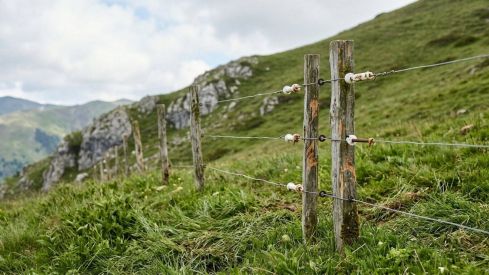
Fences can slow down attacks, although bears learn to knock them down. Animal groupings reduce grazing time and area. And several shepherds have stopped using mastiffs after incidents with hikers.
Xavier Ribera, president of the Federació d'Oví i Cabrum, summarizes one of those conflicts in the mountains.
"The mastiff can consider them a threat to the flock" - Xavier Ribera, president of the Federació d'Oví i Cabrum
Added to this pressure is the return of the wolf to the Pyrenees starting in 2000. There are about ten specimens in the mountain range that came from the Alps, and their presence is growing in Lleida, which adds another variable to livestock management in high mountain areas.
Institutional coordination had also been suspended for years. The bear council, created to bring together administrations and representatives of the territory, met again last week for the first time in three years.
The Department of Territory of the Generalitat de Catalunya maintains that there is no project underway to release bears on either the Catalan or French side, despite the fact that their own documents place the potential census of the Pyrenees at 200 specimens by 2035.