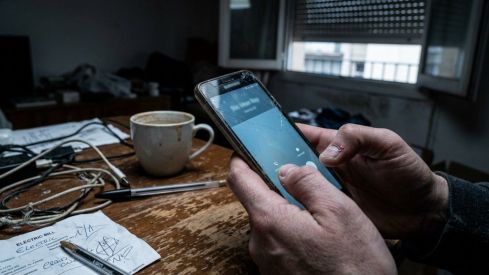
Movistar has alerted its customers to a new phishing campaign in which scammers pose as company technicians to offer a supposed router change. The contact is made by phone and presents the operation as a technological improvement of the connection or an advanced fiber optic update.
The maneuver takes advantage of a promise of free improvement to try to get the user to hand over personal data, codes received by SMS, or even accept a voice recording. The result can end in an unauthorized change of operator, precisely in a process that the company reminds that it is not closed with just a call.
Scammers use supposed FTTR technology to ask for codes via SMS
During the call, cybercriminals even mention FTTR technology as an argument to justify the replacement of the equipment. In some cases, they also use numbers that imitate the customer service to give the appearance of legitimacy to the conversation.
The offer is presented as a cost-free improvement, but the real objective is different. They seek to obtain sensitive information, register the victim's consent, or process a new registration or company change without the client having given valid authorization.
Movistar asks to be distrustful when the call introduces urgency to accept the offer or when the interlocutor claims verification codes sent by SMS or bank details. It also considers a warning sign that the supposed technician uses alarmist messages or insists on recording consent immediately.
Movistar reminds that contractual changes are not closed only by phone
The company recommends checking any transaction through its official channels before providing personal information. That prior filter is key when the call proposes a router change or a connection improvement as an immediate procedure.
In addition, operators insist on not sharing sensitive data by phone without having previously verified the identity of the interlocutor. The warning affects both temporary keys and codes, as well as banking information or personal data.
If the client has already authorized the change, the margin to react is limited but exists. They can exercise the right of withdrawal, contact the new operator to stop the process, notify the original company, and keep all evidence of the call.
The period for exercising this right of withdrawal is 14 days from the authorization of the change.