A model focused on the economy and the fair
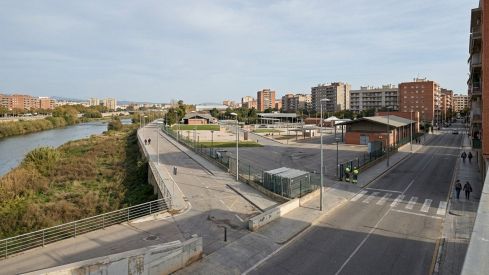
The urban planning strategy projects a maximum population of up to212,400 inhabitantsfor the year 2045. The model initially prioritizes the boost of economic activity linked to a new fair before addressing residential development. This decision implies significant changes in the distribution of public and private space. It is foreseen to reduce the Champs-Élysées to house the fairgrounds and allocate residential uses to areas that currently function as facilities. The authors of the text defend a more compact and polycentric city concept, placing special emphasis on guaranteeing the right to housing for its future residents.Pending obstacles and executive reality
Despite the ambitions of the new planning, significant structural challenges persist. Floodability remains a major obstacle, with the execution of the necessary works to mitigate this risk not yet approved. The ACA report states that sectors must be evaluated with the current situation until the works are fully executed. This caution responds to the reality that the previous planning has not been fully executed. Only 47% of its potential has been developed, which forces a rethinking of growth expectations. The government proposes as a central objective to achieve a balance between economic and residential growth within these physical limits.Political acceptance and processing
There is a political agreement mentioned with the PP and Junts to support this urban planning model. However, the opposition maintains a critical stance regarding the immediate viability of the project. The processing will not be blocked, but the proposed model is not endorsed due to pending technical shortcomings.The initial approval marks the beginning of a long process of allegations and technical adjustments that will determine the final form of the city.