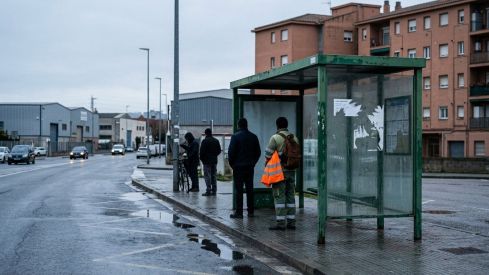
The current economic model prioritizes quick profit over the dignity of the worker in the Girona regions. This situation consolidates structural and chronic job insecurity carried over from the 2012 crisis.
Precariousness affects the service sector, industry, the third sector, social services, and local administration. The latest labor reforms have established a scenario of extreme insecurity for all these groups.
Wage deterioration by sectors
Tourism in Girona has become synonymous with extreme precariousness with low wages and long working hours. Professionals in the third sector receive lower salaries than in other territories and those who work in small town halls have worse conditions than in large municipalities.
Working conditions in the meat sector remain precarious. Having a job in this environment no longer guarantees a dignified life nor helps to escape poverty.
Cost of living and transportation
The high cost of housing is suffocating families in Girona due to tourist pressure and speculation that reduces the available supply. More working poor are dedicating more than 50% of their salary to rent.
The regions of Girona suffer from historical neglect in public transport infrastructure, which forces reliance on private vehicles. The combination of unaffordable housing and deficient transport makes the cost of living one of the highest in the country compared to stagnant wages.
The 1-M demonstration has had the slogan "Salaris habitatge i transport" (Wages housing and transport), collecting the vital urgencies of the working class. A Catalan minimum wage adjusted to the real cost is demanded so that residents of Girona, Empordà, or Selva can live with dignity.
It is demanded that salaries be decided in Catalonia with public policies that guarantee an affordable ceiling and an efficient transport network. To improve working conditions, they consider it necessary to have national sovereignty and their own political decision-making capacity.