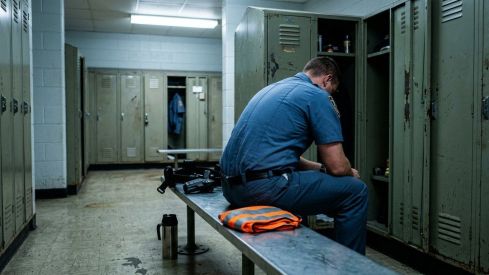
Constant exposure to situations of violence and risk generates profound psychological wear and tear in security agents operating in Catalonia. Jordi Balada, an agent of the Local Police of Lleida and a doctoral student in social welfare public policies, analyzes the structural causes of this emotional deterioration.
Generalized anxiety affects numerous officers after repeatedly facing serious incidents during their daily service.
Burnout Surpasses Common Work Stress
Stress constitutes a normal psychophysical response to external stimuli that cause the release of cortisol. Burnout syndrome represents progressive wear and tear with distinct and more serious dimensions for the individual's mental health.
"It is very important that police officers have tools to regulate themselves emotionally and know how to ask for help." - Jordi Balada, Agent of the Local Police of Lleida
Christina Maslach defined the dimensions of this syndrome as depersonalization, cynicism, and extreme emotional exhaustion. Professionals maintain constant contact with the citizenry and face the complexity of interpersonal relationships without real rest.
Crop rotation multiplies damage
An agent can go from mediating a family conflict to intervening in a violent situation in a few minutes. This abrupt transition generates accumulated stress that the body cannot process adequately.
Shift work and night work prevent restorative rest throughout the year. The profession demands twenty-four-hour availability, and this causes physical wear and tear that adds to emotional wear and tear.
The lack of family reconciliation is evident although there is no conclusive data on the frequency of divorces in these marriages.
Stigma hinders help-seeking
Many officers avoid talking about their mental health due to a deep-rooted and outdated conception of masculinity. They fear being singled out or less valued by their peers if they admit they are not doing well.
"We must be able to openly express if we are not well without fear of being singled out or devalued." - Jordi Balada, Local Police Agent of Lleida
The initial calling is not enough to overcome the psychological difficulties that arise over the years. Factors such as bureaucracy, workload overload, and lack of mobility erode staff motivation.
Leadership styles in team management directly influence the emotional well-being of the staff. Poor management exacerbates the effects of high demands from the citizenry.
There are two psychological support services available twenty-four hours a day depending on the police force to which the officer belongs.
Labor Health of the Generalitat attends to the autonomous police while Health and Person Foundation assists the local police. There are increasingly more accessible resources to face crises or moments of vital uncertainty.
The suicide rate stands out among police forces due to the dimensions of burnout and access to lethal weapons. This dark data reveals the urgency of breaking the silence surrounding the internal suffering of those who protect the city.