The wolf has attacked livestock again in Solsonès after a silence of almost seven years in the region. Three confirmed incidents in La Molsosa and Pinós break the calm since the last episode recorded in Odèn in 2019.
The first suspicions pointed towards feral dogs as responsible for the killings. However, DNA analyses confirm the authorship of a wolf in the three cases investigated by rural agents.
The predator's signature in autopsies
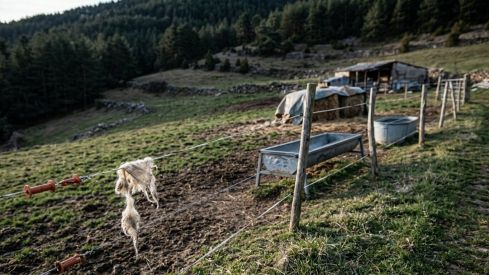
Two of the attacks occurred on a farm in La Molsosa protected by an eight-hectare enclosure. The stress caused by the animal's presence caused interruptions in the gestation of several sheep in addition to direct deaths.
In the first incident ten cattle died while twelve lost their lives in the second. The necropsies revealed that they died from asphyxiation and crushing, unmistakable signs of the canine's hunting methodology.
"The regional administration cannot wash its hands of it: if it protects the species, it has to bear the consequences." - Xavier Vilalta, mayor of Pinós
The third event took place on Mount Pinós where a flock grazed without physical protection. The lack of fencing facilitated the animal's access, which caused around twenty victims in this incursion.
Experts point out that solitary specimens are usually young animals under three years old. They may also be adults expelled from their pack looking for new hunting grounds.
Urgent measures to contain the damage
The Pinós town hall issued a statement alerting residents about the possible presence of the animal in the area. This measure seeks to prevent accidental encounters while surveillance in the fields is reinforced.
The vast majority of the livestock farms in the municipality are of the intensive type and operate in closed farms. This structure limits livestock exposure but does not eliminate the risk in free-ranging areas.
The affected farmer has already received the corresponding compensation for the lost sheep and lambs. In addition, the authorities have supplied him with an electric fence to isolate predators during the night.
The reappearance of the wolf strains coexistence between wildlife conservation and the economic viability of the local primary sector. Material damages are covered but unease persists among producers in the region.