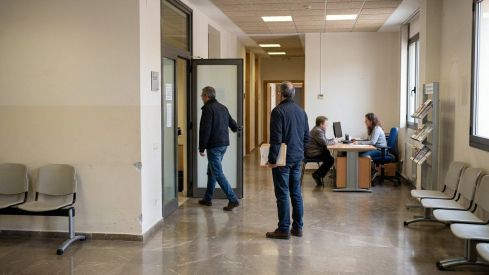
People registered in Reus can now apply since this Monday, April 27, for the vulnerability report for the Extraordinary Regularization process for Migrant Persons 2026 at the offices of the Area of Services to People and Social Rights of the City Council.
The procedure can be done in person at the municipal offices of the old hospital, on Sant Joan street, and also online. The council has enabled this procedure to facilitate the accreditation of the personal and social situation of the applicants within the regularization process.
Procedure by prior appointment at the old hospital or by electronic means
To request the report it is necessary to request a prior appointment. It can be done through the telephones 977 010 034, 977 010 010 or 010, in addition to the municipal web portal.
The vulnerability report is a necessary document within the procedure, as it certifies the personal and social situation of the people who request it. The Reus City Council has centralized this attention in the Area of Services to People and Social Rights.
Municipal advice point on regularization
The same municipal service also offers a point of advice and information about this process. To be attended to in this specific resource, an appointment is also required, in this case through the phone number 977 010 034 or the email address [email protected].
People interested in expanding information about the Extraordinary Regularization for Migrant Persons 2026 can also consult the official portals of the state administration and the Generalitat related to social rights, inclusion, social security, and migrations. With this activation of the procedure, Reus sets in motion the local care circuit for those who need to accredit their situation within this administrative process.