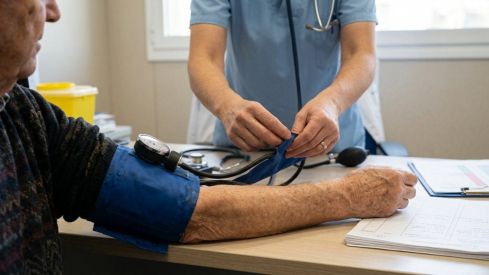
The Heart Failure Unit of Lleida manages an active portfolio of over three thousand patients. The service registers between 350 and 400 new discharges each year.
The healthcare device has been operating since 2009 with the objective of reducing the care pressure on the Arnau de Vilanova and Santa Maria hospitals. The structure coordinates transversal actions with Cardiology, Internal Medicine, Primary Care, and home hospitalization services. This integration allows for addressing chronic pathology from a multidisciplinary approach that ranges from diagnosis to the terminal phases of the disease.
Strategy cuts hospital admissions by 45 percent
The care model is based on immediate accessibility to prevent serious complications. Users have a direct contact phone that facilitates the communication of clinical anomalies in real time. This early warning mechanism avoids unnecessary referrals to the Emergency service and decreases the rate of conventional hospitalizations.
The unit manages to reduce admissions by 45 percent thanks to this early intervention. José Luis Morales, specialist physician in Internal Medicine, explains that the follow-up is adapted to the patient's demand throughout the course of the illness. The specialist emphasizes that care continues even in end-of-life situations, guaranteeing constant therapeutic companionship.
Ramon Bascompte, cardiologist and head of the Heart Failure Unit of Lleida, defines the resource as a complete infrastructure rather than a simple medical consultation. The team performs between 2,000 and 2,500 consultations annually to maintain the clinical stability of those affected. Collaboration with the Advanced Palliative Care Units (CUAPS) ensures that the most complex cases receive adequate attention without overwhelming the emergency bays.
Nurses educate on salt-free diet and warning signs
The formation of the family environment is key to the success of outpatient treatment. Andrea Hernández, a nurse on the team, highlights the need to inform both the patient and the primary caregiver. Healthcare staff conduct systematic telephone follow-ups that include contacts with nursing homes when necessary. This external monitoring complements in-person visits and detects deviations in therapeutic adherence.
Anna Arce, nurse of the unit, indicates that health education focuses on sodium restriction and the identification of warning signs. Early detection of decompensation allows for outpatient action and restoration of clinical balance without admitting the patient. Arce emphasizes that this process generates a bond of trust that users appreciate in each interaction.
Professionals have taken advantage of the commemoration of World Heart Failure Day to raise awareness of this comprehensive approach. The experience accumulated over more than a decade demonstrates the effectiveness of coordination between care levels in the Lleida health area.