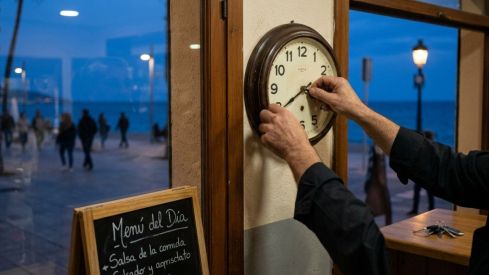
The summer schedule extension for bars, restaurants, and nightlife venues in Catalonia will come into effect on June 1 and will remain in place until September 15. The measure affects more than 11,000 establishments and will allow for closing times to be extended by 30 to 45 minutes, depending on the type of venue.
The change comes during the period when the sector concentrates between 70% and 80% of its annual revenue. This is the key to the measure, because a margin of half an hour or three-quarters of an hour has an economic impact just when Catalonia receives more visitors and tourist towns like Salou, Lloret de Mar, or Sitges bear the largest volume of nightlife activity.
Nightclubs will be able to open until 6:45 AM on weekends
The extension is provided for in article seven of Order INT/358/2011 of the Department of the Interior of the Generalitat de Catalunya. Bars, restaurants, and concert halls will be able to extend their closing time by 30 minutes.
In the case of nightclubs and dance halls, the margin will be 45 minutes. On Fridays, Saturdays, and the eve of public holidays, these venues will be able to remain open until 6:45 AM.
Once the maximum schedule is reached, establishments will have to apply a clearance period. This margin will be 30 or 45 minutes depending on the capacity of each venue.
FECASARM estimates up to 4,000 jobs from the measure
The employers' association FECASARM calculates that the schedule extension could favor the creation of up to 4,000 new jobs. Its estimate is based on the fact that around one-third of venues plan to increase staffing during the summer season.
The effect is expected mainly in destinations with strong tourist and nightlife activity. Salou, Lloret de Mar, Platja d'Aro, Sitges, Roses, Cadaqués, Blanes, Calella de Mar, Castelldefels, Torredembarra, Empuriabrava, Palamós, and Calafell are among the most benefited towns.
David López, president of FECASARM and the Front Marítim Barceloneta Association, maintains that the extension is an essential tool to adapt the activity of venues to the tourist reality of Catalonia during the months with the highest influx of visitors.
In Salou, Eduardo Abenójar, president of the Association of Restoration and Nightlife of Salou, believes that the measure will provide oxygen to the local economy by facilitating a continuous increase in revenue in numerous establishments.
The temporary extension will be in effect until September 15, after having come into force on June 1.