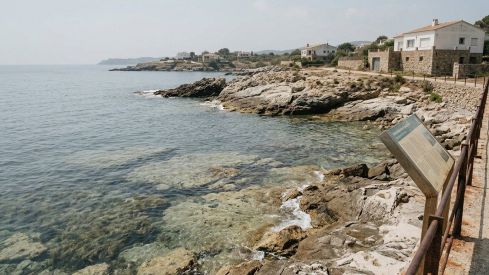
The increase in sea water temperature is already leaving effects on the coast of Girona and the situation worsens year after year. The warming of the Mediterranean on the Girona coast is positioned as one of the consequences of climate change with a direct impact on marine ecosystems and on the inhabited areas closest to the coast.
Bleaching of corals and alteration of habitats
One of the most visible effects is coral bleaching. When the water temperature rises, the coral expels the symbiotic algae known as zooxanthellae, responsible for its coloration and a good part of the energy supply it needs to survive. This process can end up causing the massive death of reefs and compromise marine biodiversity.
The warming of the sea also alters the natural habitats of numerous species. Some can move towards colder waters, but others remain in a situation of greater vulnerability and can be threatened or even disappear if they do not manage to adapt to the new conditions.
More pressure on the coast and on marine resources
The increase in water temperature also contributes to the rise in sea level through a double pathway. On the one hand, the thermal expansion of water. On the other, the melting of glaciers and polar ice sheets. That rise in sea level increases the risk of floods, coastal erosion, and loss of habitable land in communities located along the coast.
The sea temperature also influences oceanic circulation, a key mechanism in the regulation of the global climate. If those circulation patterns change, regional climates can be altered and the availability of marine resources, including fish, can be affected, with direct consequences on the ecological balance and on activities linked to the sea.
Dead areas in expansion
Another of the effects associated with the warming of the water is the worsening of the so-called dead zones of the ocean. The increase in temperature favors the decomposition of organic matter and reduces the solubility of oxygen in the water, two factors that worsen these zones with scarce presence of oxygen.
Dead zones are growing in number and in size, with impact on ecosystems and on fisheries. In a coastal territory like that of the Girona regions, the evolution of these indicators points to a scenario of increasing environmental pressure.
The warning is clear. The warming of the sea water can generate very serious problems on the Girona coast, both due to the degradation of the seabed and due to the accumulated effects on the coast and the species that depend on it.